Surveying Period and Listed Buildings: Specialist Guide
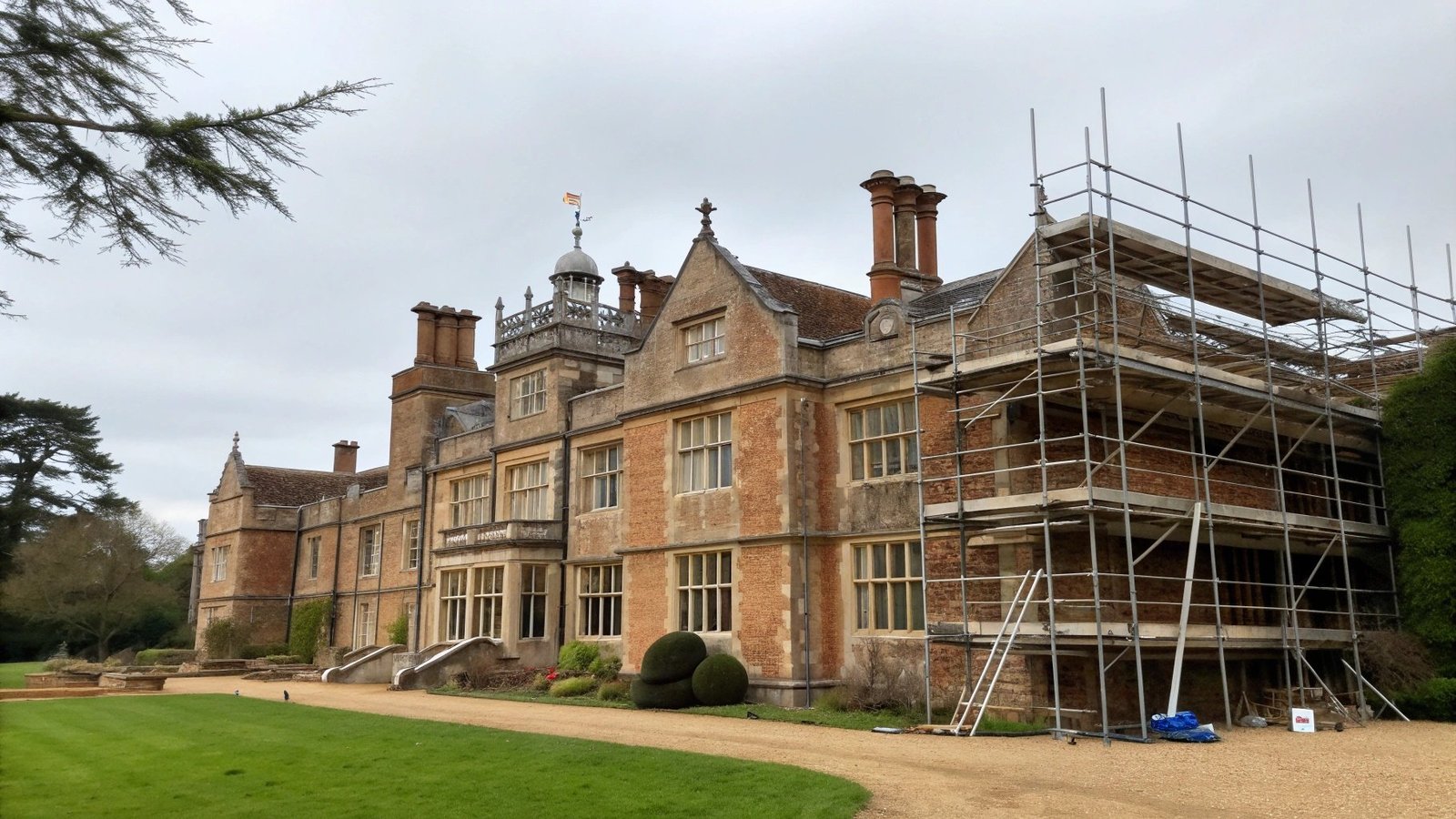
A young couple fell in love with a Grade II listed Georgian townhouse in Guildford. "It's our dream home," they told our Farnborough surveyors. But when we explained that replacing the single-glazed sash windows would require Listed Building Consent and cost £25,000 using traditional methods, their enthusiasm wavered. That routine roof repair would need special slates at double the normal price. Even repainting required approved heritage colors. Owning a listed building is wonderful, but it demands specialist knowledge and deeper pockets.
As RICS chartered surveyors with extensive experience in period and listed properties across Hampshire and Surrey, we guide clients through the complexities of heritage buildings. These magnificent structures need surveyors who understand traditional construction, conservation principles, and the unique challenges they present.
Understanding Listed Buildings and Conservation Areas
Listed buildings are protected by law due to their special architectural or historic interest. There are three grades in England:
Grade I (2.5% of listings)
Buildings of exceptional interest. Think grand country houses, medieval churches, major historic landmarks. Extremely rare and heavily protected. Any alterations require meticulous planning and specialist skills.
Grade II* (5.8% of listings)
Particularly important buildings of more than special interest. Fine Georgian townhouses, significant Victorian public buildings, notable architectural examples. Still rare and requiring careful management.
Grade II (91.7% of listings)
Buildings of special interest warranting preservation efforts. This includes most listed buildings—attractive period homes, converted barns, historic cottages across Farnborough, Guildford, Woking, and throughout the surrounding areas. Our chartered building surveyors survey numerous Grade II properties annually.
Conservation Areas
While not individually listed, properties in conservation areas face additional planning restrictions. Many parts of Hampshire and Surrey have conservation area designations protecting architectural character. Our building surveyors in Farnborough understand local conservation requirements ensuring compliance during renovations.
Surveying Period and Listed Buildings
Period properties require different surveying approaches than modern homes. Our RICS chartered surveyors bring specialist expertise to these assessments:
Traditional Construction Methods
Period buildings use materials and techniques vastly different from modern construction:
- Solid walls: No cavity, different moisture management
- Lime mortar and plaster: Breathable, flexible, repairs need matching materials
- Traditional timbers: Oak frames, lath and plaster, susceptible to specific defects
- Historic roofing: Stone slates, clay tiles, thatched roofs requiring specialist maintenance
- Historic glazing: Original glass, crown glass, early sash mechanisms
Our chartered building surveyors and construction consultants understand how these traditional systems work and what constitutes appropriate repair versus damaging intervention.
Conservation Philosophy
Listed building repairs must follow conservation principles:
- Minimal intervention: Preserve original fabric wherever possible
- Reversible changes: Alterations should be reversible
- Matching materials: Repairs use traditional materials and methods
- Historic significance: Understand what makes the building special
During property surveying, we assess defects while advising on conservation-appropriate repairs. Sometimes the "best" repair from a modern perspective damages historic fabric. Our surveyors provide expert advice balancing conservation with practicality.
Common Period Property Issues
Through decades of surveying residential properties across Hampshire and Surrey, we've identified recurring challenges in period buildings:
Movement and Settlement: Historic buildings have often settled over centuries. Cracks may be old and stable rather than concerning. Our experienced building surveyors distinguish between historic movement and active problems requiring intervention.
Damp Problems: Solid walls behave differently from cavity walls. They need to breathe—cement renders and modern paints trap moisture causing damage. We advise on appropriate damp management respecting traditional construction.
Timber Decay: Oak frames can last centuries but require inspection for beetle infestation and decay. Inappropriate repairs using modern materials sometimes cause more harm than good.
Roof Issues: Historic roofs use traditional materials—stone slates, handmade clay tiles, or thatch. Repairs need matching materials and specialist skills, affecting costs significantly.
Buying a Listed Building: Essential Considerations
Before committing to a listed or significant period property, understand the implications:
Financial Considerations
Costs vary dramatically from modern properties:
- Higher maintenance: Traditional materials and specialist skills cost more
- Energy efficiency: Historic buildings often can't achieve modern efficiency standards
- Insurance: Listed building insurance costs 15-30% more than standard policies
- Professional fees: Conservation officers, specialist architects, heritage consultants add costs
Our property valuations for listed buildings account for these factors. A listed house might cost less to buy than a modern equivalent, but lifetime ownership costs are higher.
Restrictions on Alterations
Listed Building Consent is required for most alterations affecting character:
- Window replacement or repair
- Roof alterations including solar panels
- Internal modifications affecting historic features
- Extensions and alterations to exterior
- Even some repairs and decorations
Consent applications take 8 weeks minimum, often longer. Refusal is possible if proposals harm historic character. Our surveyors offer realistic advice on what alterations might be approved.
Grants and Incentives
Some financial assistance exists for listed buildings:
- Historic England grants for urgent repairs
- National Heritage Lottery funding for significant buildings
- Reduced VAT (5% instead of 20%) on approved alterations to listed buildings
- Local authority grants in some areas
These don't cover everything, but they help offset higher costs. Our team can advise on potential funding sources during building surveys.
Key Takeaways
- ✅ Listed buildings require specialist survey knowledge and conservation understanding
- ✅ Traditional construction methods need appropriate repair approaches
- ✅ Ownership costs significantly exceed modern equivalents
- ✅ Most alterations require Listed Building Consent
- ✅ Choose surveyors with period property expertise for accurate assessments
Frequently Asked Questions
Do I need a special survey for a listed building?
Yes, absolutely. A full building survey (RICS Level 3) is essential for listed and significant period properties. Standard HomeBuyer surveys don't provide adequate detail for historic buildings. Our RICS chartered surveyors with period property expertise conduct comprehensive assessments understanding traditional construction and conservation requirements. This detailed report protects your investment and guides appropriate maintenance.
Can I mortgage a listed building?
Yes, but lenders are more cautious. They require comprehensive surveys and may insist on specialist valuations. Some mainstream lenders avoid listed buildings entirely; others have specific criteria. Buildings in poor condition or with significant defects face additional challenges. Our property valuations for mortgage purposes clearly explain condition and likely maintenance costs, helping lenders make informed decisions.
What if I make unauthorized changes to a listed building?
Unauthorized works on listed buildings are criminal offenses with unlimited fines and potential imprisonment. Local authorities can issue enforcement notices requiring reversal of works at your expense. Before any alterations, even seemingly minor ones, consult conservation officers. Our chartered building surveyors provide guidance on what requires consent and help navigate approval processes.
Are period properties expensive to heat?
Generally, yes. Solid walls, single glazing, and large volumes mean higher heating costs than modern homes. However, sensitive improvements help: appropriate insulation, efficient heating systems, draft-proofing. Our surveyors conduct assessments identifying practical energy efficiency measures compatible with historic character. Some improvements require Listed Building Consent, so professional advice is essential.
Do listed buildings in conservation areas have extra restrictions?
Yes. Buildings with individual listing status have the most restrictions. Properties in conservation areas without individual listing face additional planning controls but fewer restrictions than listed buildings. Our building surveyors in Farnborough understand local conservation area requirements across Hampshire and Surrey, providing expert advice on what's permitted in your specific location.
Final Thoughts
Owning a listed or significant period property is a privilege and responsibility. These buildings survived centuries through careful stewardship by previous owners. You're a custodian, temporarily caring for architectural heritage for future generations. While this brings challenges and costs, the rewards—living in buildings with character, history, and craftsmanship impossible to replicate today—are immeasurable.
Success with period properties requires three things: realistic expectations about costs and restrictions, appropriate professional advice, and genuine appreciation for historic architecture. That Georgian townhouse in Guildford? The couple ultimately bought it, armed with our comprehensive survey explaining exactly what ownership entailed. Three years later, they tell us it's the best decision they ever made, despite the challenges.
As a professional firm of chartered building surveyors with extensive knowledge of Farnborough and surrounding areas, we specialize in period and listed properties. Our RICS accredited team understands traditional construction, conservation requirements, and practical realities of heritage building ownership. Whether you're buying a listed cottage in Hampshire or a period townhouse in Surrey, our expertise protects your investment and guides informed decisions.
Need a specialist period property survey? Our RICS chartered surveyors provide expert surveys for listed buildings and period properties across Farnborough, Hampshire, and Surrey. Contact us today for professional guidance.