Roof Surveys: Common Problems and Solutions
Your roof is one of the most critical elements of any property, protecting everything beneath it from the elements. Yet roof problems are among the most common issues identified during property surveys across Farnborough and the surrounding areas. As experienced Farnborough surveyors, our RICS chartered surveyors conduct detailed roof inspections during every building survey, helping homeowners understand the condition and lifespan of their roof covering.
Why Roof Surveys Are Essential
Roof repairs represent one of the most significant maintenance expenses for residential properties. A complete roof replacement can cost anywhere from £5,000 to £20,000 depending on size, materials, and complexity. Our chartered building surveyors in Farnborough identify roof issues early, allowing you to plan and budget appropriately.
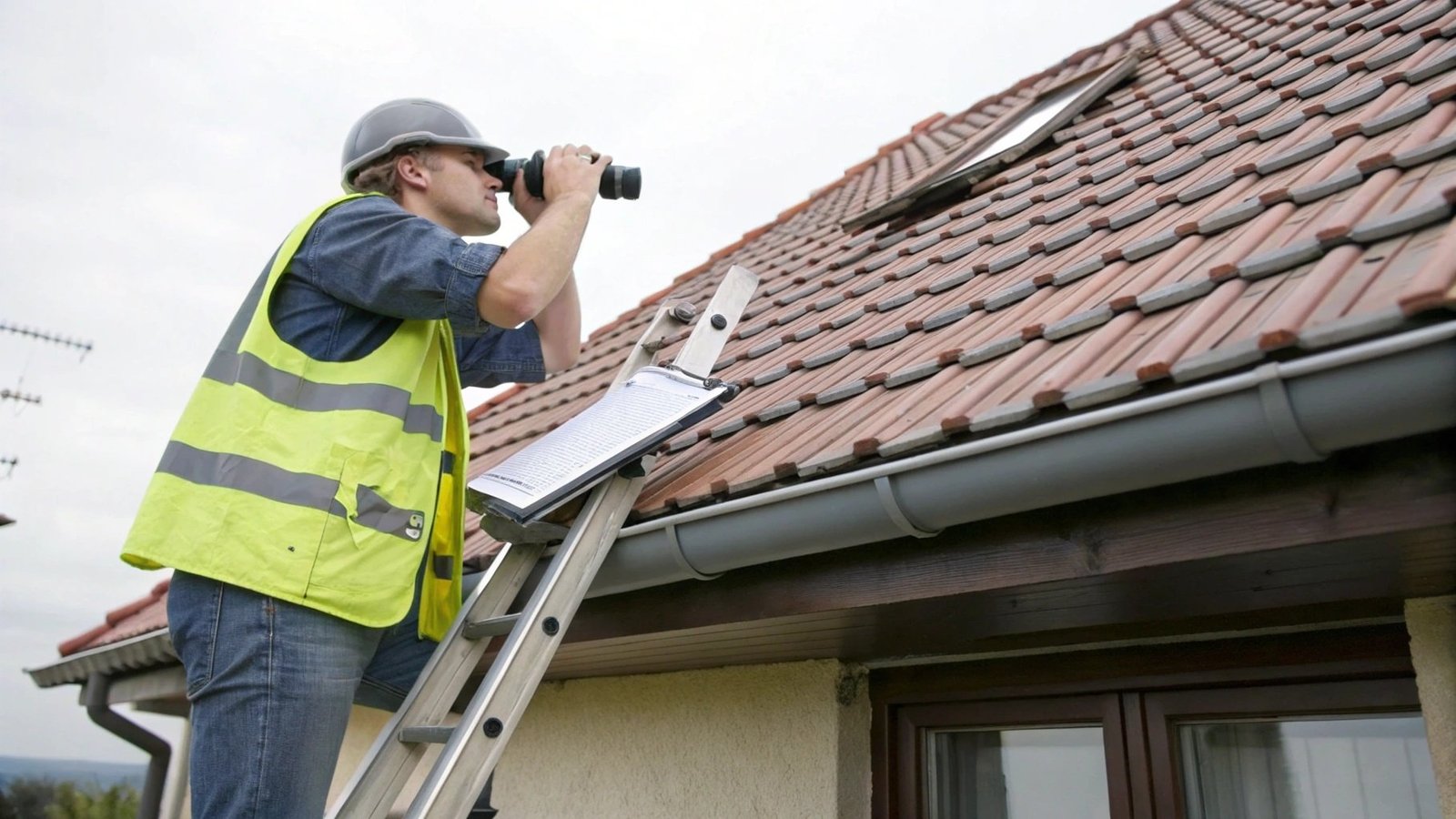
During a full building survey, our surveyors conduct comprehensive roof assessments examining visible elements from ground level using high-powered binoculars, and inspecting roof spaces internally where accessible. This dual approach provides a thorough understanding of roof condition.
Common Roof Types in Hampshire and Surrey
Properties across Farnborough, Guildford, Woking, and surrounding areas feature various roof types, each with distinct characteristics and potential problems:
Pitched Roofs with Slate Covering
Victorian and Edwardian properties throughout Hampshire commonly feature slate roofs. Quality Welsh slate can last 100+ years, making these roofs exceptionally durable. However, our building surveyors in Farnborough often identify issues including:
- Individual slipped or missing slates requiring replacement
- Nail fatigue after 80-100 years, causing widespread slate slippage
- Deteriorated mortar in valleys and at ridges
- Failed lead flashings around chimneys
Pitched Roofs with Tile Covering
Clay or concrete tiles are common on properties built from the 1920s onwards. Concrete tiles typically last 40-60 years, while clay tiles can exceed 80 years. Common issues include:
- Cracked or broken tiles from weathering or impact
- Lifting tiles from inadequate fixing
- Moss and lichen growth reducing tile lifespan
- Deteriorated battens underneath requiring re-roofing
Flat Roofs
Extensions, garages, and some modern properties feature flat roofs. These require more maintenance than pitched roofs and have shorter lifespans. Our surveyors provide expert advice on flat roof condition, identifying:
- Felt deterioration and splitting
- Ponding water from inadequate falls
- Failed seams and joints
- Blistering from trapped moisture
The Roof Inspection Process
When Farnborough surveyors assess roofs during property surveys, we follow a systematic approach ensuring nothing is missed:
External Visual Inspection
From ground level, our RICS chartered surveyors examine:
Overall Roof Plane: We assess whether the roof plane is straight or shows signs of sagging, indicating potential structural problems with roof timbers. Properties in reasonable condition should have straight, uniform roof slopes.
Covering Condition: Every visible area is scrutinized for missing, slipped, cracked, or deteriorated tiles or slates. We note the extent of any repairs and whether they've been carried out to proper standards.
Ridge and Hip Tiles: These vulnerable areas often require maintenance before the main roof covering. Loose or missing mortar allows water penetration and tile movement.
Valleys: Where two roof slopes meet, valleys channel substantial water volumes. Failed valley linings cause serious leaks. We examine valley construction and condition carefully.
Flashings: Lead or other metal flashings seal junctions between roofing and walls or chimneys. Deteriorated flashings are common leak sources that our building surveyors and construction consultants identify during inspections.
Chimneys: We assess chimney stack condition, pointing, pots, and flashing. Even disused chimneys require maintenance as deterioration can cause roof damage and water penetration.
Roof Space Inspection
Accessing the roof space (loft) provides crucial additional information. Our chartered building surveyors examine:
Roof Structure: We inspect timber roof members (rafters, purlins, trusses) for signs of movement, rot, or insect infestation. Any structural concerns are highlighted in our detailed report.
Underside of Covering: From inside, we can see whether roof covering allows light penetration (indicating holes or gaps) and check for water staining suggesting leaks.
Felt/Sarking: The waterproof layer beneath tiles or slates is examined. Deteriorated felt requires attention, though costs vary depending on whether complete re-roofing is needed.
Ventilation: Adequate roof space ventilation prevents condensation damage. We assess ventilation provision and recommend improvements if needed.
Insulation: While not strictly a roof defect, inadequate insulation affects energy efficiency. We note insulation levels in our surveying services in Farnborough.
Most Common Roof Problems Identified
Through decades of property surveying across Hampshire and Surrey, our surveyors have extensive knowledge of typical roof issues affecting properties in the area:
1. Missing or Slipped Tiles/Slates
High winds, age, or poor fixing cause individual tiles or slates to slip or blow off. While a few missing tiles might seem minor, they allow water penetration causing progressive damage. Our surveyors offer guidance on whether spot repairs suffice or if more extensive work is needed.
In properties over 80 years old with original slate roofs, widespread slippage often indicates nail fatigue – the fixings have corroded and can no longer hold slates securely. This typically requires complete re-roofing, a significant expense that influences property valuations.
2. Deteriorated Flashings
Lead flashings around chimneys, at wall abutments, and in valleys have limited lifespans. Lead work from 50+ years ago often needs replacement. Failed flashings cause persistent leaks that can damage internal decorations and timbers.
Modern alternatives to lead (such as synthetic materials) are sometimes used but may not match traditional lead's longevity. Our RICS chartered surveyors advise on appropriate flashing materials for different property types.
3. Moss and Lichen Growth
Organic growth on roof coverings is common in the UK climate, particularly on north-facing slopes. While some moss is merely cosmetic, heavy growth can:
- Lift tiles or slates, allowing water underneath
- Block gutters and cause overflow
- Accelerate deterioration of covering materials
- Add weight to the roof structure
Professional moss removal and treatment extends roof lifespan. However, aggressive cleaning methods can damage fragile older slates. Our chartered building surveyors provide advice on appropriate maintenance approaches.
4. Defective Valleys
Valley gutters channel large water volumes and are subject to considerable wear. Lead-lined valleys can split or corrode; mortar valleys crack; and valley tiles can slip. Valley repairs require specialist roofing skills and can be expensive relative to the small area involved.
5. Ridge and Hip Problems
Mortar bedding under ridge and hip tiles deteriorates over time. This causes tiles to loosen, potentially becoming dangerous if they fall. Re-bedding ridges is common maintenance that costs vary from £500-£2,000 depending on roof size.
6. Sagging Roofs
Roof planes should be straight and true. Sagging indicates structural problems – possibly undersized or deteriorated roof timbers, or spreading roof structures where walls are moving outward. This is a serious defect requiring structural engineer assessment and potentially significant remedial work.
7. Inadequate Ventilation
Modern building standards require roof space ventilation to prevent condensation. Many older properties lack adequate ventilation, leading to:
- Condensation on roof timbers causing rot
- Mold growth on stored items
- Reduced insulation effectiveness
- Deterioration of electrical cables in roof spaces
8. Flat Roof Failures
Flat roofs on extensions and garages often cause problems. Felt roofing typically lasts 15-25 years; older coverings frequently leak. Common flat roof issues include:
- Split or torn felt
- Failed seams where felt sheets join
- Inadequate drainage causing ponding
- Deteriorated upstands at walls
- Failed edge trims
Flat roof replacement costs £600-£1,200 per 10 square meters, depending on materials chosen.
Roof Lifespans and Replacement Planning
Understanding typical roof lifespans helps homeowners plan major expenditure. Our surveyors provide guidance on remaining life expectancy based on current condition:
- Natural slate: 80-150+ years (quality Welsh slate can last indefinitely)
- Clay tiles: 60-100+ years
- Concrete tiles: 40-60 years
- Felt flat roofing: 15-25 years
- Modern membrane flat roofing: 25-40 years
- Lead flashings: 50-80 years
- Cement mortar at ridges: 20-40 years
These are approximate figures. Actual lifespan depends on installation quality, maintenance, orientation, and local climate. Properties in Farnborough and surrounding areas generally benefit from less severe weather than coastal or upland regions, potentially extending roof life.
Roof Repair vs. Replacement: Making the Decision
A common question during surveys is whether to repair or replace. Our qualified chartered surveyor professionals consider several factors:
Factors Favoring Repair
- Limited defects affecting small areas
- Roof covering in generally good condition
- Recent installation (within last 20 years for tiles, 10 years for felt)
- High-quality original materials (Welsh slate, quality clay tiles)
- Budget constraints in short term
Factors Favoring Replacement
- Widespread deterioration across most of the roof
- Roof approaching end of expected lifespan
- Multiple previous patch repairs indicating progressive failure
- Underlying structure or felt needing attention (requires removal of covering anyway)
- Long-term ownership plans making investment worthwhile
Our detailed report includes honest, impartial advice on the most appropriate course of action for your circumstances.
Roof Survey Limitations
While our RICS accredited surveyors are thorough, certain limitations apply to roof inspections during standard surveys:
- No close inspection: We don't walk on roofs or use ladders to access them closely. Assessment is from ground level and internally where possible.
- Hidden defects: Problems concealed beneath intact covering (such as deteriorated battens or early-stage timber rot) may not be visible.
- Weather limitations: Heavy rain, snow, or ice can prevent adequate roof space access and assessment.
- Restricted access: Sometimes roof spaces are inaccessible due to lack of hatches or dangerous access arrangements.
If significant concerns exist, we may recommend specialist roof surveys involving scaffolding or elevated access platforms for detailed close-up inspection. This is occasionally necessary for complex or high-value properties.
Maintenance Recommendations
Proactive roof maintenance significantly extends lifespan and prevents expensive emergency repairs. Our surveyors offer the following maintenance advice for residential properties across Hampshire and Surrey:
Annual Checks
- Visual inspection from ground level after severe weather
- Clear gutters and downpipes in autumn
- Check for missing or slipped tiles/slates
- Look for signs of leaks in roof spaces
- Trim overhanging vegetation
Five-Yearly Professional Inspection
Engage chartered building surveyors or qualified roofers to conduct detailed inspections every 5 years, particularly for properties over 50 years old. This identifies problems early when repairs are simpler and cheaper.
Prompt Repairs
Address minor defects quickly before they cause progressive damage. A missing tile costs pounds to replace; the internal damage it causes if left can cost hundreds or thousands.
Insurance Considerations
Roof condition affects buildings insurance. Insurers may:
- Decline cover for properties with very poor roofs
- Impose higher premiums or excess for older roofs
- Exclude roof damage from policies for properties with known defects
- Require evidence of maintenance for older properties
Our surveys document roof condition, providing evidence for insurance purposes. If buying a property, share relevant survey sections with your insurer before committing.
Roof Work and Building Regulations
Certain roof works require Building Regulations approval:
- Complete or substantial re-roofing (over 25% of area)
- Alterations affecting structural stability
- Loft conversions
- Installation of roof windows beyond certain sizes
Our project management services include coordinating Building Control approvals for roof works alongside surveying services in Farnborough.
Frequently Asked Questions
How often should I have my roof surveyed?
For typical residential properties, professional roof inspection every 5-10 years is advisable, with annual visual checks by homeowners. Properties over 50 years old, or those with known issues, benefit from more frequent professional assessment by RICS chartered surveyors.
Should I clean moss off my roof?
Moderate moss growth isn't immediately harmful, but heavy accumulation should be addressed. Professional cleaning is recommended over DIY attempts, particularly for fragile slate roofs. Our building surveyors in Farnborough advise on whether moss removal is necessary during surveys.
How much does roof replacement cost?
Costs vary significantly based on size, materials, and complexity. For typical 3-bed semi-detached properties in Farnborough: concrete tiles £5,000-£8,000; clay tiles £7,000-£10,000; slate £9,000-£15,000. These are approximate figures; obtain detailed quotes from reputable contractors.
Can roof problems be identified during a basic survey?
RICS Home Survey Level 2 includes roof assessment, but a full building survey (Level 3) provides more detailed analysis. For older properties or those with visible roof concerns, Level 3 surveys offer better value as the detailed report covers technical aspects more comprehensively.
What if my survey identifies roof problems?
Roof defects identified in surveys are negotiating points for property purchase. Our surveyors provide repair cost estimates helping you renegotiate the purchase price or request repairs before completion. Alternatively, factor repair costs into your purchase budget and planning.
Why Choose Farnborough Surveyors for Roof Assessment
Our professional firm of chartered building surveyors brings specific advantages when assessing roofs:
Local Experience: Working extensively across Farnborough and the surrounding areas, we understand local building types, typical roof construction for different property ages, and common problems affecting the region.
RICS Standards: As surveyors regulated by the Royal Institution of Chartered Surveyors, we maintain the highest professional standards and provide expert advice backed by professional indemnity insurance.
Comprehensive Reporting: Our reports clearly explain roof condition, required maintenance, repair priorities, and cost implications in accessible language.
Impartial Advice: Unlike contractors who may have vested interests in major works, our qualified chartered surveyor professionals provide independent, impartial assessment focused on your best interests.
Contact our expert RICS chartered surveyors for comprehensive roof assessment as part of a full building survey or standalone roof inspection. Arrange Your Roof Survey