Surveying Rural Properties and Country Cottages: Complete Guide
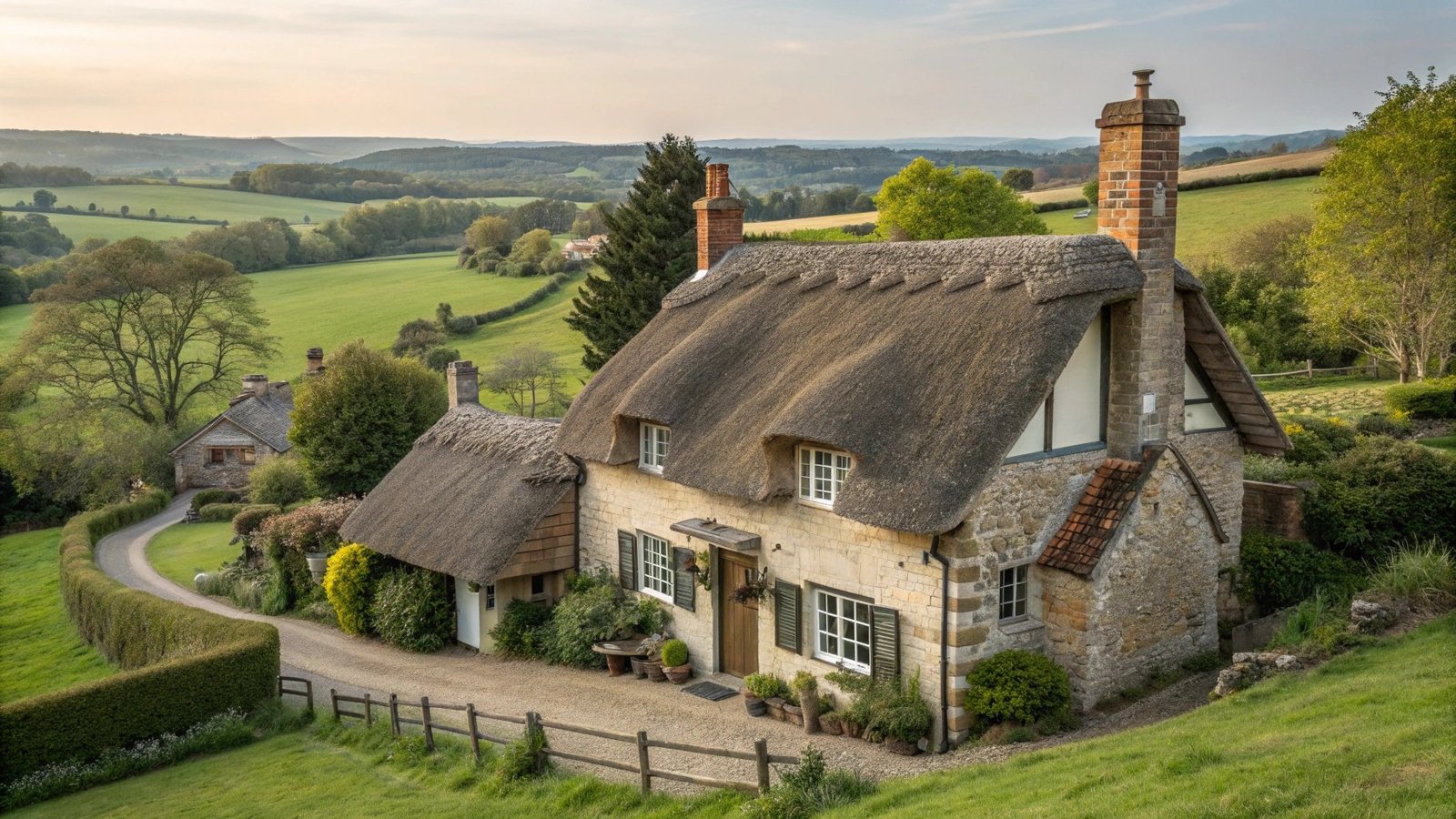
A London family contacted our Farnborough surveyors about a charming thatched cottage near the Hampshire/Surrey border. "It's idyllic," they said. "We're escaping the city!" During our survey, we discovered the private water supply had contamination issues, the septic tank was failing, and oil heating costs would be triple their London gas bills. The romantic dream needed a reality check. Rural properties offer wonderful lifestyles, but they come with unique challenges that city dwellers often don't anticipate.
As RICS chartered surveyors covering Hampshire, Surrey, and the surrounding areas, we regularly survey country cottages, converted barns, farmhouses, and rural properties. These buildings need specialists who understand not just the structures themselves, but the rural infrastructure—or lack thereof—that comes with the lifestyle.
Unique Challenges of Rural Properties
Rural properties differ fundamentally from urban and suburban homes our chartered building surveyors typically assess:
1. Off-Mains Services
Many rural properties lack mains connections:
Water Supply: Private wells, boreholes, or springs require testing, maintenance, and can fail during droughts. Our surveys include water quality assessments or recommendations for testing. Contaminated water supplies affect property values and habitability.
Drainage: Septic tanks and treatment plants replace mains sewerage. These systems need regular maintenance, can fail expensively, and may not meet current regulations. We assess drainage systems during surveys, identifying aging or inadequate installations.
Electricity: While most rural areas have mains electricity, some remote properties rely on generators. Supply quality can be poor with voltage fluctuations damaging sensitive electronics.
Heating: Oil, LPG, or solid fuel replace mains gas. Running costs significantly exceed gas heating. Oil tanks need inspection for leaks and compliance with regulations.
2. Access Issues
Rural properties often have challenging access:
- Unmade tracks: Maintenance responsibilities and costs
- Shared access: Rights of way and neighbor disputes
- Flooding: Impassable during wet weather
- Winter access: Snow clearance and gritting
Our building surveyors in Farnborough assess access arrangements, identifying potential problems before they become your expensive responsibility.
3. Outbuildings and Land
Rural properties typically include substantial land and multiple buildings:
- Barns and agricultural buildings
- Stables and animal shelters
- Workshops and stores
- Garages and carports
All these structures need surveying. Dilapidated outbuildings become your liability, with repair or demolition costs. Our full building surveys assess all structures on the property, not just the main house.
Rural Property Construction Types
Country properties span diverse construction methods requiring specialist knowledge:
Traditional Cottages
Historic rural cottages often feature:
- Cob or wattle-and-daub walls: Earth-based construction needing breathable finishes
- Thatched roofs: Beautiful but requiring specialist maintenance every 10-15 years (£15,000-£30,000)
- Stone construction: Varies by region; some stone types deteriorate
- Timber frames: Oak frames with brick or plaster infill
Our chartered building surveyors understand these traditional methods and appropriate maintenance approaches.
Converted Barns
Barn conversions are popular across Hampshire and Surrey but present challenges:
- Open-plan layouts with large volumes expensive to heat
- Limited insulation in conversions respecting agricultural character
- Permitted development restrictions in some areas
- Quality varies wildly depending on conversion standards
Period Farmhouses
Substantial farmhouses combine multiple building phases, often with Victorian or earlier cores and various extensions. These require careful assessment of how different sections interact structurally.
Rural Property Survey Considerations
When our Farnborough surveyors assess rural properties, we examine factors beyond standard urban surveys:
Structural Assessment
Rural buildings often show more movement than urban properties:
- Ground conditions: Clay shrinkage, unstable ground, former agricultural use affecting foundations
- Tree management: Larger mature trees closer to buildings
- Isolation: Exposure to weather, particularly wind damage
- Flood risk: Rural properties near rivers or in valleys face higher flood risks
Our detailed reports assess these rural-specific structural considerations.
Damp and Moisture
Rural properties often have elevated damp risks:
- Higher ground moisture in agricultural land
- Vegetation close to buildings
- Solid wall construction needing breathability
- Historic buildings without DPCs
Services and Infrastructure
We thoroughly assess all services:
- Water supply quality and reliability
- Drainage system condition and compliance
- Heating system suitability and fuel costs
- Electrical installation adequacy
- Telecommunications availability (important for remote working)
Boundaries and Rights of Way
Rural properties often have complex boundary arrangements:
- Undefined or disputed boundaries
- Rights of way crossing the property
- Maintenance responsibilities for shared features
- Agricultural ties or restrictions
While legal issues fall to solicitors, our surveys identify physical evidence of boundary disputes or access problems.
Key Takeaways
- ✅ Rural properties require specialist survey knowledge beyond standard residential surveys
- ✅ Off-mains services add complexity and running costs
- ✅ Traditional construction methods need appropriate expertise
- ✅ Outbuildings and land require thorough assessment
- ✅ Budget for higher maintenance and running costs than urban equivalents
Frequently Asked Questions
Do rural properties cost more to survey?
Costs vary but yes, rural property surveys typically cost 20-50% more than urban equivalents. Additional time is needed to travel to remote locations, survey larger properties and outbuildings, and assess rural-specific systems like septic tanks and water supplies. However, as Farnborough surveyors covering rural Hampshire and Surrey, we believe this investment is essential given the unique challenges these properties present.
Should I get specialist reports for rural properties?
Often, yes. Our RICS chartered surveyors typically recommend: CCTV drainage surveys for septic systems (£200-400), water quality testing for private supplies (£150-300), and timber surveys if significant timber frame construction exists (£300-600). These specialist investigations identify problems our visual surveys can't fully assess. The combined cost is modest compared to discovering £10,000+ problems after purchase.
Are thatched properties expensive to insure and maintain?
Yes, significantly. Thatched roof insurance costs 2-3 times standard premiums due to fire risk. Re-thatching costs £15,000-£30,000 every 10-15 years for main roofs, 20-25 years for ridges. Annual maintenance is essential. However, thatch provides excellent insulation and undeniable character. Our chartered building surveyors assess thatch condition during surveys, estimating remaining lifespan and likely replacement timescales.
Can I mortgage a rural property with off-mains services?
Generally, yes, though lenders scrutinize these properties more carefully. They require confirmation that water supplies meet quality standards and drainage systems comply with regulations. Properties with failed or inadequate services may struggle to secure mortgages until systems are upgraded. Our property valuations clearly explain service arrangements and any concerns, helping lenders make informed decisions about rural properties across Hampshire and Surrey.
What about converted barns and agricultural buildings?
Barn conversions vary enormously in quality. Well-executed conversions by reputable developers create excellent homes. Poor conversions—rushed, cheap, or failing to respect the building's character—can be problematic. Our building surveyors in Farnborough assess conversion quality, building regulation compliance, and whether the conversion respects planning conditions. We've surveyed hundreds of conversions across Hampshire and Surrey, developing expertise in identifying good versus problematic examples.
Final Thoughts
Rural properties offer incredible lifestyle benefits: peace, space, connection with nature, and architectural character often impossible in urban settings. However, they demand realistic expectations about costs, maintenance, and the realities of rural living. That London family who fell for the thatched cottage? After our survey, they understood exactly what ownership entailed. They proceeded, but with eyes wide open, budgeting appropriately for septic tank replacement, water treatment, and roof maintenance. Three years later, they love their rural life—because they were properly prepared.
Success with rural properties requires three things: thorough professional surveys identifying all issues, realistic budgets for higher running costs, and genuine enthusiasm for rural living including the inconveniences. Weekend country living isn't for everyone, but for those suited to it, few experiences are more rewarding.
As RICS chartered surveyors with extensive knowledge of Farnborough and rural areas throughout Hampshire and Surrey, we specialize in country property surveys. Our team understands traditional construction, off-mains services, and the unique challenges rural buildings present. Whether you're buying a thatched cottage, converted barn, or substantial farmhouse, our professional firm of chartered building surveyors provides expert advice protecting your investment and enabling informed decisions.
Need a rural property survey? Our RICS chartered surveyors provide expert surveys for country cottages, farmhouses, and rural properties across Hampshire and Surrey. Contact us today for professional guidance.