Thermal Imaging in Property Surveys: Advanced Detection Technology
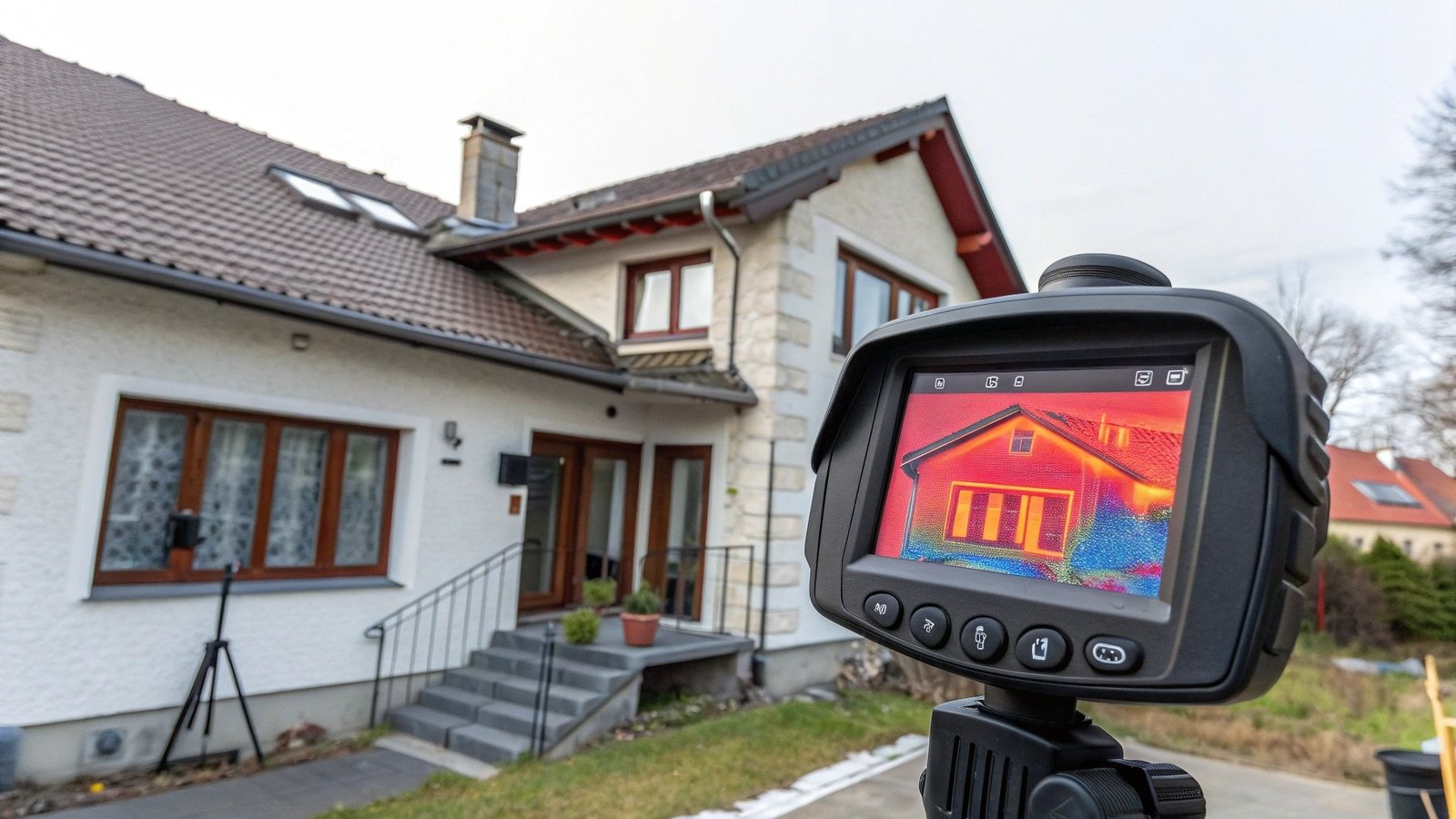
Picture this: You're viewing a beautiful Victorian terrace in Farnborough. The walls look perfect—freshly decorated, no visible damp. You make an offer. Then our RICS chartered surveyors arrive with thermal imaging cameras. Suddenly, the screen lights up with cold blue patches behind that fresh paint. Hidden damp becomes visible. The homeowner had decorated over serious moisture problems, hoping buyers wouldn't notice. Without thermal imaging, you might have discovered this £5,000 problem after moving in.
As Farnborough surveyors using advanced technology across Hampshire and Surrey, we've seen thermal imaging transform property surveying. This incredible tool reveals issues invisible during standard visual inspections, providing clients with comprehensive understanding of property condition.
How Thermal Imaging Works
Thermal imaging cameras detect infrared radiation—heat—emitted by all objects. They convert this radiation into visual images showing temperature variations. Warmer areas appear red/orange/yellow; cooler areas show blue/purple. These temperature differences reveal problems hidden behind finishes.
Our chartered building surveyors use professional-grade thermal cameras during building surveys, capturing detailed thermal images that complement traditional visual inspection. This combination provides the most comprehensive assessment possible for residential properties across Farnborough, Guildford, Woking, and surrounding areas.
The Science Behind It
Damp materials have different thermal properties than dry materials. Wet walls stay cooler because water evaporation absorbs heat. Missing insulation creates temperature differences between insulated and uninsulated areas. Air leaks show as temperature variations where drafts occur. Thermal cameras make these temperature differences visible instantly.
What Thermal Imaging Detects
During property surveying across Hampshire and Surrey, our building surveyors in Farnborough use thermal imaging to identify:
1. Hidden Dampness
This is thermal imaging's killer application for property surveys. Damp areas appear cooler (blue/purple) than surrounding dry areas. We can identify:
- Rising damp: Shows as horizontal blue bands at ground level
- Penetrating damp: Appears as irregular cold patches where water enters
- Condensation: Visible as cooler areas on cold bridges and poorly ventilated spaces
- Roof leaks: Cold spots in ceilings indicating water penetration
- Plumbing leaks: Hidden pipe leaks behind walls become visible
Last month in Woking, we surveyed a property where the owner insisted there was no damp. Thermal imaging revealed extensive moisture behind recently installed wall paneling. The vendor had covered the problem rather than fixing it. Our client avoided a costly mistake.
2. Missing or Defective Insulation
Insulation defects waste energy and money. Thermal cameras instantly reveal:
- Gaps in loft insulation
- Missing cavity wall insulation sections
- Thermal bridging at joists and lintels
- Inadequate floor insulation
- Problems with recently installed insulation
Well-insulated areas appear warmer (red/orange) than poorly insulated sections (blue). This visual evidence helps prioritize energy efficiency improvements, potentially qualifying for grants or reducing energy bills significantly.
3. Air Leakage and Drafts
Air infiltration wastes heating and creates discomfort. Thermal imaging identifies draft sources:
- Gaps around windows and doors
- Service penetrations (pipes, cables)
- Loft hatches without seals
- Floor-wall junctions
- Chimney breasts
Sealing these leaks improves comfort and reduces heating costs. Our surveyors provide specific guidance on addressing identified air leakage points.
4. Structural Issues
While not primarily a structural tool, thermal imaging sometimes reveals structural concerns:
- Cracks allowing air movement show temperature differences
- Delaminated render or cladding appears thermally different
- Structural movement can cause thermal bridging
5. Electrical Hot Spots
Overheating electrical components create fire risks. Thermal cameras detect:
- Overloaded circuits
- Loose connections
- Faulty appliances
- Distribution board problems
Note: Our chartered building surveyors identify potential electrical issues, but qualified electricians should conduct detailed electrical testing.
Limitations of Thermal Imaging
While powerful, thermal imaging isn't magic. Our RICS chartered surveyors understand its limitations:
Doesn't See Through Walls
Thermal cameras detect surface temperatures, not what's hidden inside wall cavities. They reveal symptoms (temperature differences) but don't show internal construction directly.
Requires Temperature Differential
Thermal imaging needs temperature differences to work effectively. On mild days with similar internal and external temperatures, detection capability reduces. This is why our surveyors schedule thermal surveys strategically.
Surface Emissivity Matters
Different materials emit infrared radiation differently. Shiny surfaces (mirrors, polished metal) reflect rather than emit, potentially confusing readings. Experienced surveyors account for material properties when interpreting images.
Reflections Can Mislead
Windows and shiny surfaces reflect thermal radiation from other sources. What appears as a hot spot might be reflected heat from elsewhere. Our qualified chartered surveyor professionals distinguish actual temperature differences from reflections.
Doesn't Replace Traditional Inspection
Thermal imaging complements but doesn't replace visual inspection, moisture meters, and physical investigation. It's one tool in our comprehensive property surveying toolkit.
Key Takeaways
- ✅ Thermal imaging reveals hidden damp, insulation defects, and heat loss
- ✅ Technology detects problems invisible during visual inspections
- ✅ Most effective when temperature differences exist between inside and outside
- ✅ Complements traditional surveying methods for comprehensive assessments
- ✅ Particularly valuable for older properties and energy efficiency evaluations
Frequently Asked Questions
Is thermal imaging included in standard surveys?
Thermal imaging isn't always standard but is increasingly common in comprehensive surveys. Our building surveyors in Farnborough include thermal imaging in full building surveys when appropriate, and it's available as an additional service for RICS Home Survey Level 2. Given the valuable information it provides, we recommend thermal imaging for older properties or where damp/insulation concerns exist.
How much does thermal imaging add to survey costs?
When added to existing surveys, thermal imaging typically costs £150-£300 extra depending on property size. Costs vary across Hampshire and Surrey. This modest additional expense can identify thousands of pounds worth of hidden defects. As Farnborough surveyors, we consider it excellent value for comprehensive property assessment.
Can thermal imaging detect all types of damp?
Thermal imaging is excellent for identifying most damp problems, particularly those involving current moisture. However, historic damp that has since dried won't show thermally. Our RICS chartered surveyors combine thermal imaging with moisture meters and visual inspection for complete damp assessment. This multi-method approach ensures nothing is missed.
When is the best time for thermal imaging surveys?
Cooler months (October-March) provide optimal conditions in the UK, with significant temperature differences between indoors and outdoors. Early morning or evening surveys also work well. Our surveyors conduct thermal surveys year-round but advise clients that mid-summer afternoon appointments may reduce detection effectiveness. We always ensure adequate temperature differential exists before thermal assessment.
Should I get thermal imaging for a new build property?
Yes! New builds can have construction defects: incomplete insulation, air leakage, or plumbing issues. Thermal imaging during snagging inspections identifies problems while still under warranty. We've found numerous defects in new homes across Farnborough and surrounding areas that developers then rectified at no cost to buyers. For new builds, thermal imaging provides excellent quality assurance.
Final Thoughts
Thermal imaging has revolutionized property surveying, giving our RICS accredited surveyors unprecedented ability to see what's hidden. While it doesn't replace traditional surveying methods, it provides invaluable additional information that protects buyers and homeowners from expensive surprises.
Whether you're purchasing a Victorian terrace in Guildford, a modern apartment in Woking, or any property across Hampshire and Surrey, thermal imaging adds confidence to your decision. That freshly painted wall might look perfect, but thermal cameras don't lie—they reveal the truth about what's really going on beneath the surface.
As chartered building surveyors and construction consultants with extensive knowledge of Farnborough and the surrounding areas, we invest in the latest thermal imaging technology to provide expert advice and comprehensive assessments. Our clients consistently tell us that thermal imaging findings justify the entire survey cost, revealing issues they would never have discovered otherwise.
Need a survey with thermal imaging? Our RICS chartered surveyors use advanced thermal imaging technology for comprehensive property assessments across Farnborough, Hampshire, and Surrey. Contact us today for professional guidance.