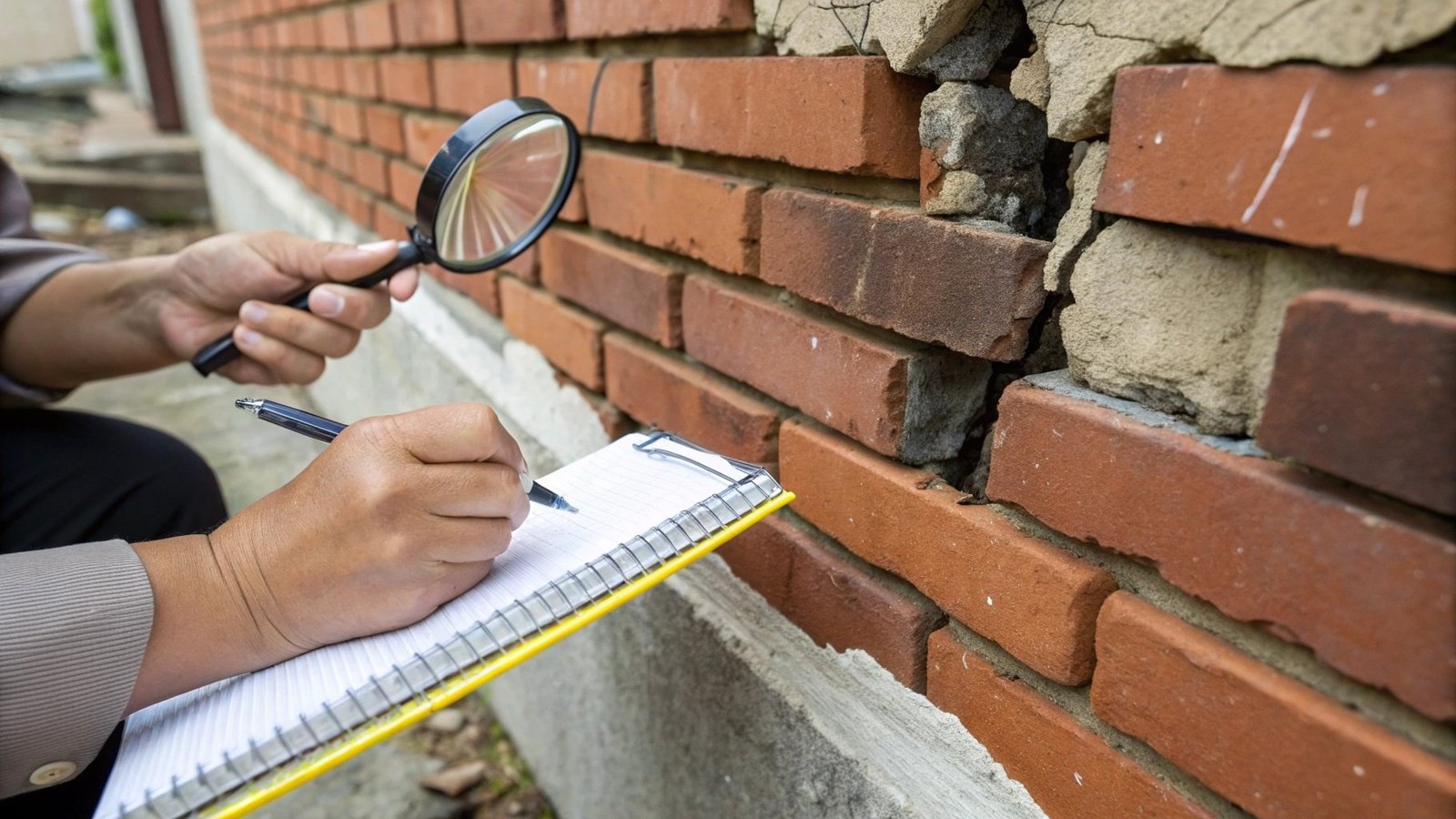
Understanding Structural Defects in Property Surveys
When you're buying a property, one of the biggest concerns is structural integrity. Farnborough Surveyors explain how our chartered building surveyors identify and assess structural defects during full building surveys and home surveys across Hampshire and Surrey.
What Are Structural Defects?
Structural defects are problems that affect the stability and safety of a building. As RICS chartered surveyors, we look for issues that compromise the property's load-bearing elements including foundations, walls, floors, and roofs. Understanding these defects is crucial during your property purchase.
Not all cracks and issues are structural problems. Our qualified chartered surveyors distinguish between cosmetic issues and serious structural defects. During a full building survey, we conduct a thorough inspection of the property to identify any concerns that could affect the building's integrity.
Common Types of Structural Defects
1. Foundation Movement and Subsidence
Subsidence is one of the most serious structural defects we encounter in residential properties across Farnborough and the surrounding areas. It occurs when the ground beneath the foundations moves or sinks, causing the building to drop unevenly.
Our chartered surveyors look for telltale signs including:
- Diagonal cracks wider than 3mm, particularly around doors and windows
- Cracks that are wider at the top than bottom
- Doors and windows that stick or won't close properly
- Gaps between walls and ceilings or floors
- Rippling or uneven wallpaper
- Cracks in exterior brickwork
Subsidence can be caused by several factors. Clay soils shrink in dry weather, particularly during drought conditions. Tree roots can extract moisture from soil, causing ground movement. Leaking drains can wash away soil beneath foundations. Our surveyors have extensive knowledge of Farnborough soil conditions and typical subsidence issues in Hampshire and Surrey properties.
2. Wall Cracks and Movement
During our inspection of the property, we carefully examine all walls, both internal and external. Not all cracks indicate structural problems, but our building surveyors and construction consultants know what to look for.
Vertical cracks are often caused by thermal movement or settlement and are usually not serious. Stepped cracks following mortar joints in brickwork can indicate foundation movement. Horizontal cracks, especially in load-bearing walls, require investigation. Our detailed report will categorize any cracks found and provide expert advice on necessary action.
3. Roof Structure Issues
The roof is a critical structural element. Our chartered building surveyors inspect roof timbers, trusses, and supporting walls during building surveys. Common problems include:
- Sagging roof lines indicating structural movement
- Timber decay from wood-boring insects or wet rot
- Inadequate support or modifications to roof structure
- Failed or undersized load-bearing elements
- Poor alterations from loft conversions
In Victorian properties and older homes common in Farnborough, we often find original roof timbers that may be undersized by modern standards but still perform adequately. Our surveyors provide professional survey reports explaining any concerns.
4. Floor Structure Problems
Structural floor issues can be serious. We check for bouncy or sloping floors, which might indicate joist failure, insufficient support, or foundation problems. In older properties, timber floor joists can suffer from decay or insect attack.
Solid concrete floors can crack and settle. This is particularly common in properties built on filled ground or where poor compaction occurred during construction. Our surveyors conduct comprehensive inspections to assess floor condition throughout residential and commercial properties.
How Farnborough Surveyors Assess Structural Defects
Visual Inspection
Our RICS chartered surveyors conduct detailed visual inspections during building surveys. We examine all accessible areas of the property, looking for signs of movement, cracking, or distortion. Our surveyors have extensive knowledge of typical defects in different property types.
Crack Monitoring
For existing cracks, we assess whether movement is historic or ongoing. Wide cracks that appear old and painted over may indicate past movement that has stabilized. Fresh cracks with clean edges suggest active movement requiring monitoring.
In our detailed report, we may recommend installing crack monitoring devices if there's uncertainty about whether movement is ongoing. This involves fixing tell-tales or precise monitoring studs across cracks to track any further movement over several months.
Specialized Testing
Sometimes structural defects require investigation beyond visual inspection. Our construction consultants working from offices in Farnborough can arrange:
- Trial pit excavation to inspect foundations
- Borescope inspections of wall cavities
- Structural engineer reports for complex issues
- Timber surveys for suspected decay
- CCTV drainage surveys for potential leak issues
Impact on Property Purchase
Finding structural defects doesn't necessarily mean you should walk away from a property purchase. Our qualified chartered surveyors provide expert advice on the severity of issues and likely repair costs.
Minor settlement cracks are common in properties of all ages and may not require any action. Moderate defects might need repair but won't compromise safety. Serious structural problems require significant remedial work, and you'll need estimates from structural engineers and builders.
Many buyers successfully negotiate price reductions based on our survey findings. Our detailed reports provide the evidence you need to discuss costs with sellers. Some buyers proceed with full knowledge of issues and budget for repairs after purchase.
Structural Defects in Different Property Types
Victorian and Edwardian Properties
These properties common in Farnborough often have shallow foundations and solid walls. We frequently find minor settlement cracks that stabilized decades ago. Our surveyors understand typical defects in period properties and can distinguish between historic movement and current problems.
1930s to 1960s Properties
Properties from this era may have cavity walls and deeper foundations. However, some have steel or concrete elements that can suffer corrosion. Post-war properties sometimes have non-standard construction methods requiring specialist knowledge.
Modern Properties
Even new builds can have structural issues. Our surveyors conduct snagging surveys identifying construction defects before you complete your purchase. Common problems include inadequate foundation depth, poor brickwork, and structural movement from settlement on newly made-up ground.
The Role of Structural Engineers
When our building surveys identify significant structural concerns, we typically recommend engaging a structural engineer. This specialist can provide detailed analysis, calculations, and remedy specifications.
Structural engineers may recommend underpinning for foundation problems, installing structural supports for walls or roofs, or comprehensive rebuilding of affected areas. Their reports are essential for obtaining accurate repair cost estimates and ensuring insurance coverage.
Preventing Structural Problems
Understanding potential causes helps property owners prevent issues. Our surveyors provide expert advice on:
- Managing trees near properties to prevent root damage
- Maintaining gutters and drainage to prevent water damage
- Addressing leaks promptly before they cause decay
- Regular inspection and maintenance of key structural elements
- Proper planning for building work and extensions
Why Choose Professional Survey Services
Identifying and assessing structural defects requires professional expertise. Our RICS chartered surveyors have the training, experience, and local knowledge to provide accurate assessments. We've surveyed thousands of residential properties across Hampshire and Surrey.
A full building survey from Farnborough Surveyors gives you comprehensive information about structural condition. Our detailed report includes photographs, clear explanations, and practical recommendations. We provide expert advice helping you make informed decisions about your property purchase.
When to Seek Expert Advice
You should consider a full building survey rather than a basic RICS Home Buyer Report if:
- The property is older than 50 years
- You've noticed cracks or structural movement during viewings
- The property has had extensions or significant alterations
- You're buying a period property or listed building
- The property appears poorly maintained
- You're planning major renovation work
Conclusion
Structural defects are a major concern during property purchase, but not all problems are deal-breakers. Our chartered building surveyors at Farnborough Surveyors provide thorough inspections and clear, professional reports helping you understand structural condition.
Whether you're buying in Farnborough, Guildford, Woking, or anywhere across Hampshire and Surrey, our surveyors have extensive knowledge of local property types and typical defects. We provide expert advice you can trust, ensuring you make informed decisions about your property purchase.
If you're concerned about structural issues in a property you're considering, contact our team for a professional building survey. Our detailed report will give you peace of mind or provide the evidence you need to negotiate or walk away.
Need a Building Survey?
Farnborough Surveyors provide comprehensive building surveys throughout Hampshire and Surrey. Our RICS chartered surveyors identify structural defects and provide expert advice for your property purchase.
Get Your Free Quote